

The Rocketry Creations Story: How We Build Real Engineering Careers
We are not the Standard STEM - Most school STEM programs teach kids to follow instructions with a guaranteed outcome. They copy code, glue cardboard kits, and print toys from the internet. When the project is over, they get a grade—but they haven't learned how to solve a real problem. If a project fails, they feel discouraged.
At Rocketry Creations, we knew there was a better way to prepare students for the future.
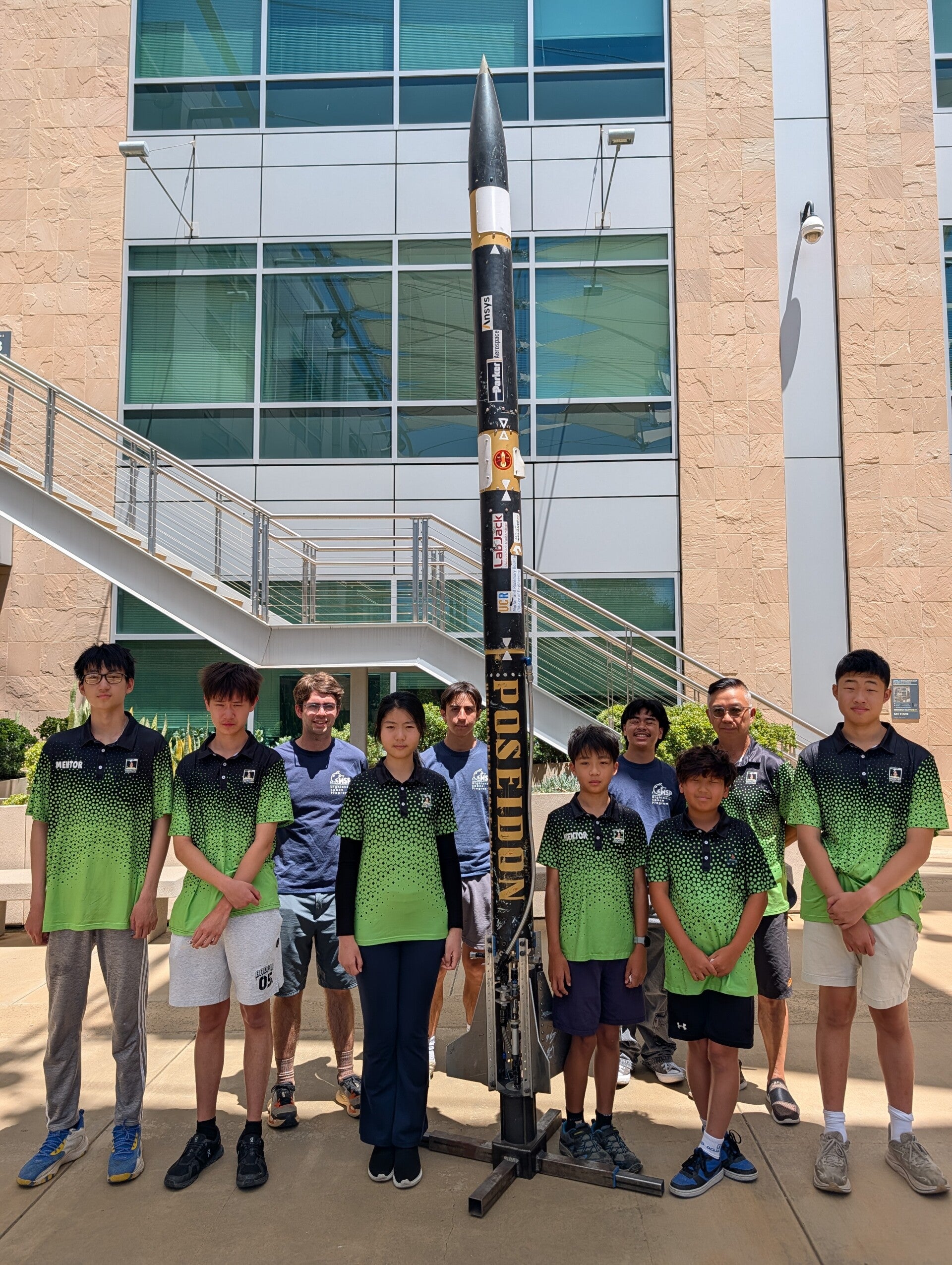
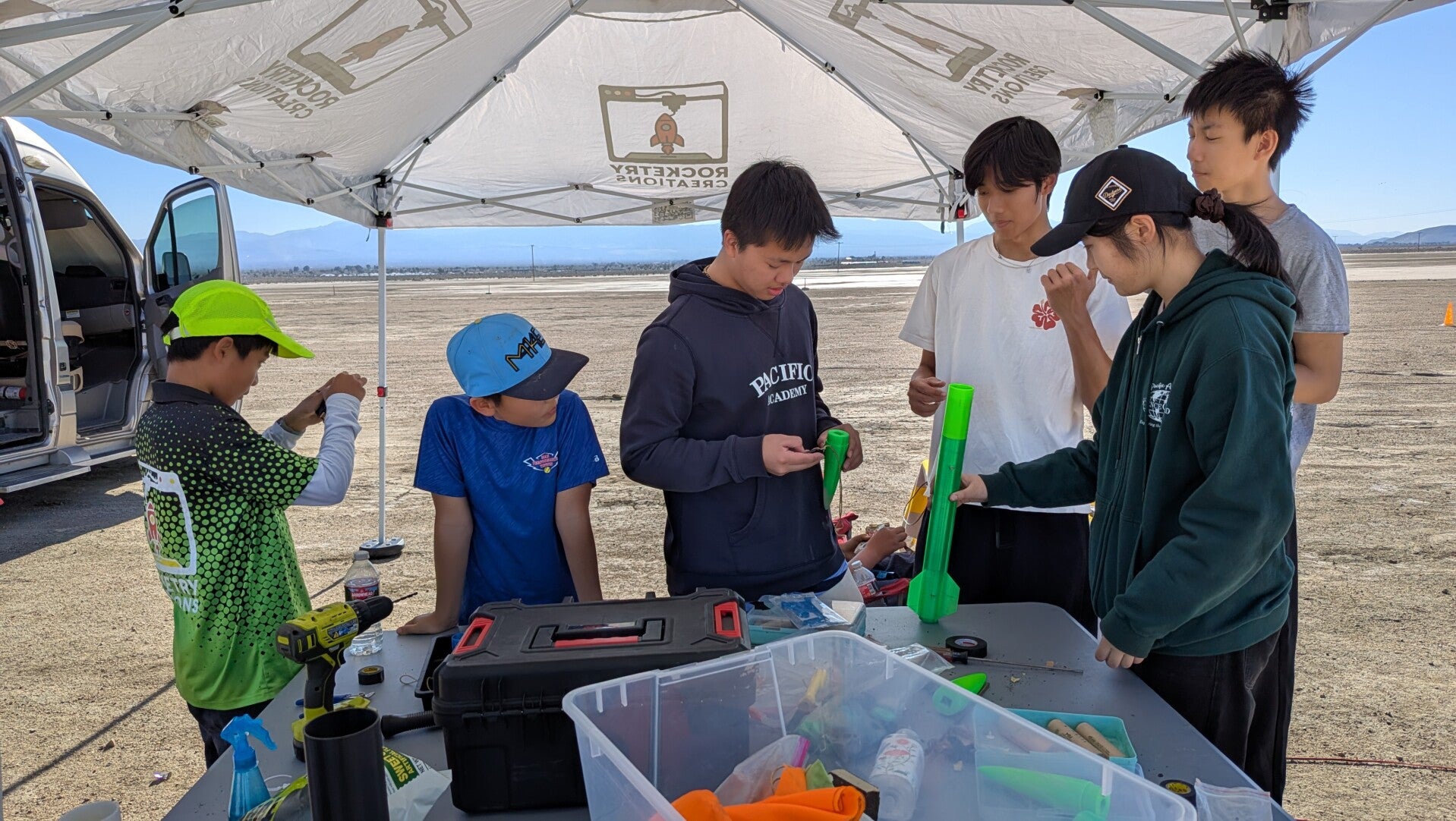
The Rocketry Creations Way - Co-Founded by 12-year-old Leo, Rocketry Creations is an active, youth-led engineering initiative. We treat our workshop like a real aerospace production line. We don't use toy kits. Instead, we use the exact same methods that top aerospace companies like SpaceX use to build rockets:
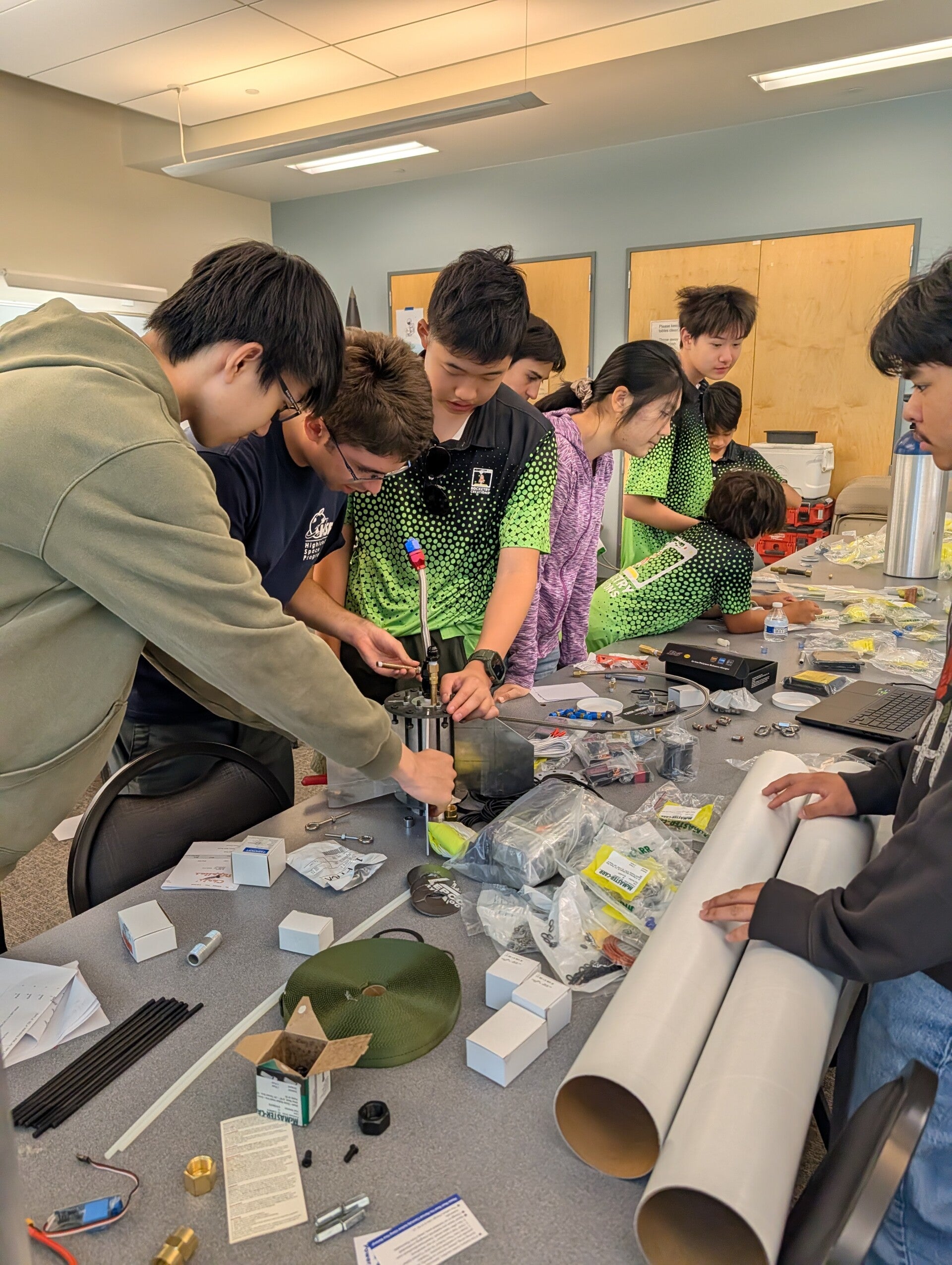
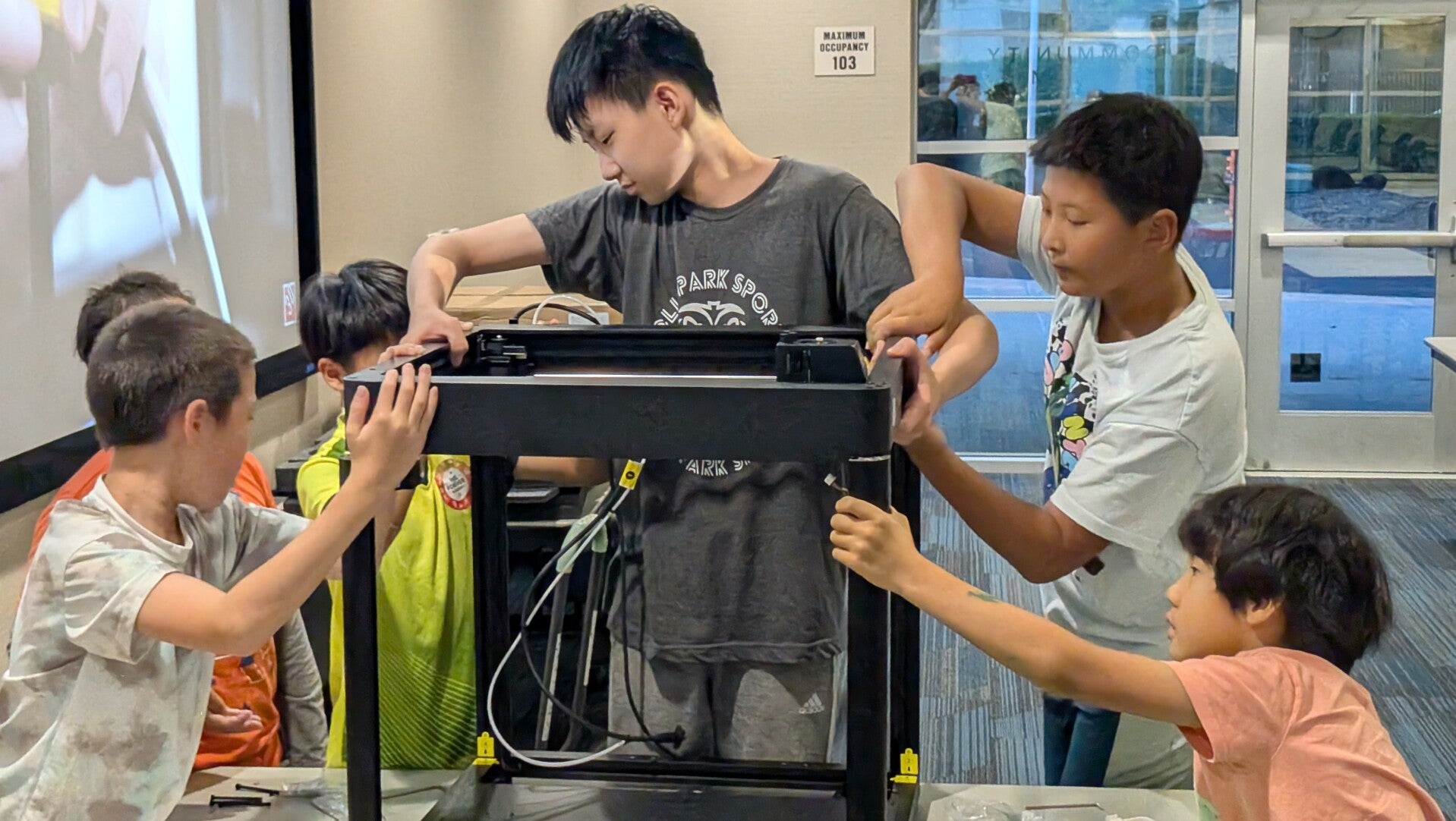
- Real Manufacturing: We teach kids how to use advanced 3D design software (CAD) to engineer custom flight parts from scratch.
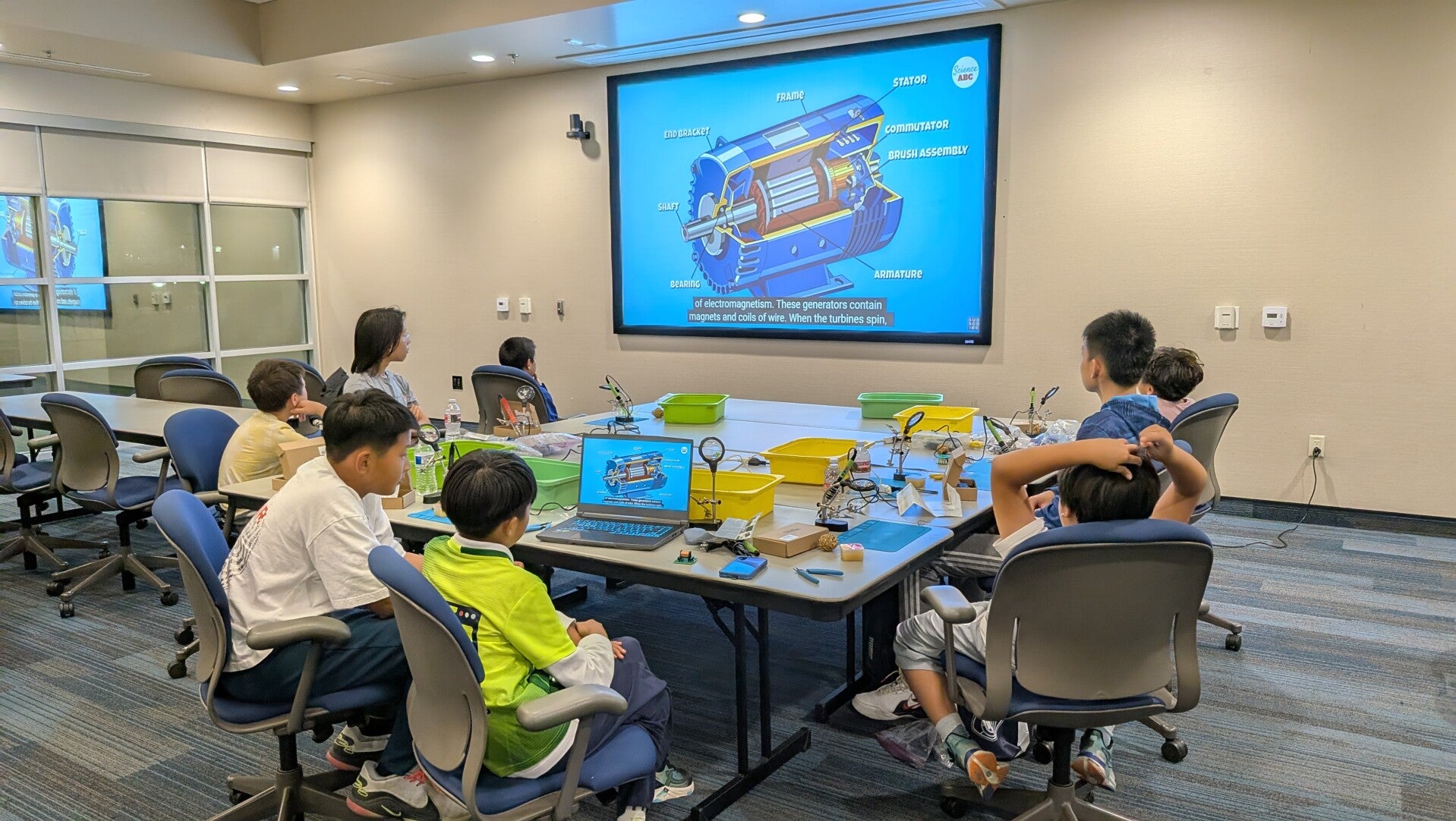
- Real Electronics: We don't use loose wires. We teach kids how to design custom circuit boards and write raw code to stream live weather data from flying rockets.
- The Power of Failure: When a rocket breaks or a radio signal drops, we don't punish it with a bad grade. We treat it as data. We teach kids how to analyze the failure, fix the physics, and build a better version the very next day.
Proven Success on the Big Stage
This hands-on style works. By focusing on building things that actually work, Leo has presented his weather-research 3D printed rockets at Caltech University Science Day and was the youngest keynote speaker in the history of the OC Maker Faire Showcase. Today, he balances his real-world builds with Astra Nova, the premier online school born directly out of SpaceX.
Build a Portfolio, Not Just a Resume
The job market is changing. Top companies don’t just care about a piece of paper or a test score; they care about what a student has actually built.
By teaching kids how to think like engineers, handle failure with confidence, and document their projects publicly on YouTube (@rocketrycreations), we help them build an undeniable portfolio of work. We show them that they don't need to wait until after college to start a career in technology and aerospace—they can start building it on the workbench today.
Our latest activity
Discover our collection of creative work and visual projects. Each piece showcases our attention to detail and commitment to delivering results that exceed expectations.

Our Successful Case
Success Case 1 -The Story of Rocketry Creations: Engineering Beyond the Classroom.
Traditional STEM education told Leo to follow the rules, memorize formulas, and build pre-designed kits for a grade. He chose a different path. At just 12 years old, He didn't just build hobby rockets; he treated his backyard workshop like an advanced aerospace production line:
- The Hardware: He mastered advanced CAD to engineer custom airfoils and 3D-printed flight-worthy payload structures.
- The Electronics: He moved past messy breadboards to design custom multi-layer circuit boards (PCBs) and wrote raw C++ firmware to stream data.
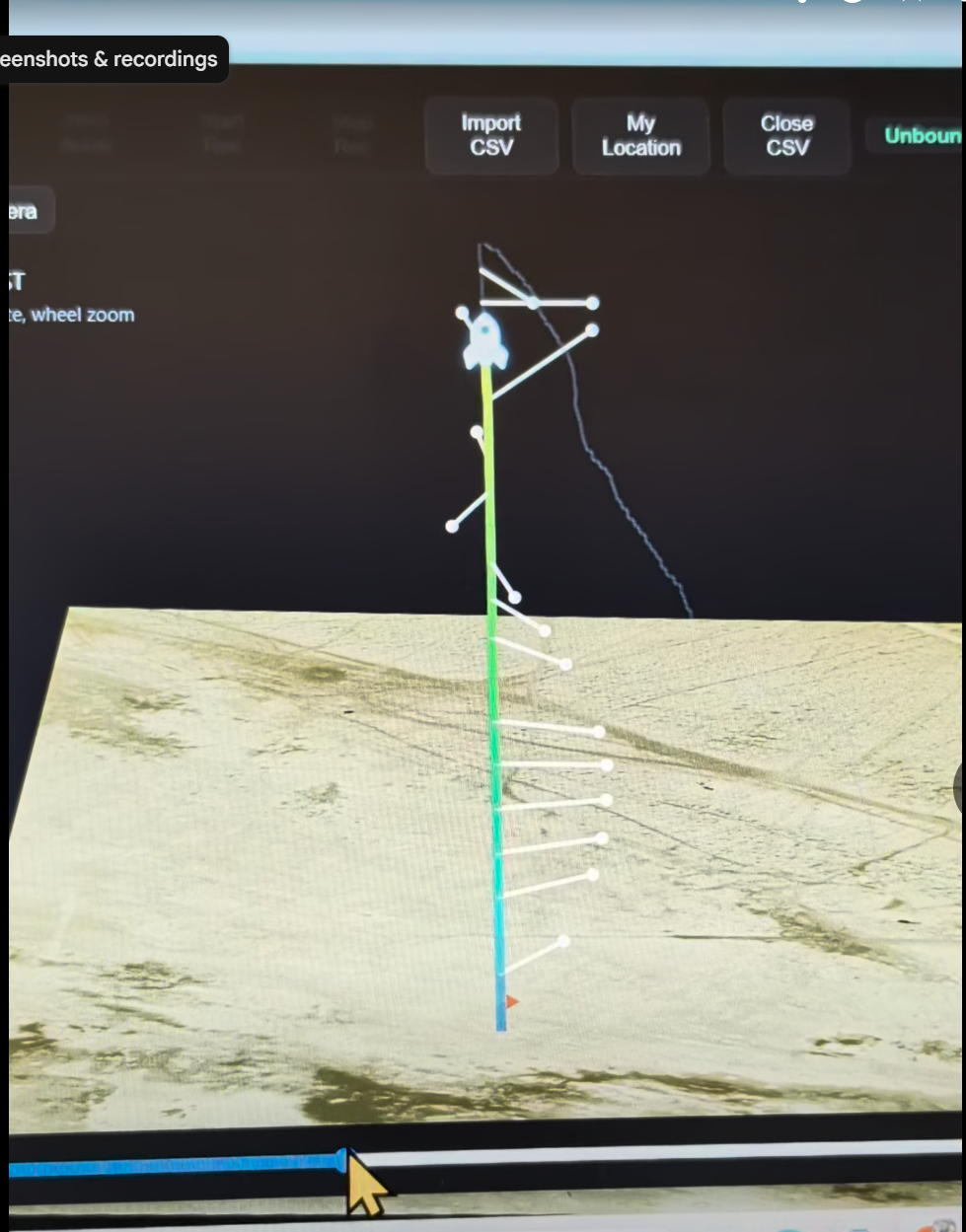
- The Mission: He weaponized his vehicles for extreme applied science, launching mobile weather telemetry payloads directly into severe convective storm cells to harvest rare, in-situ atmospheric data.
When his 915MHz LoRa radio links flatlined or 3D prints warped under extreme wind shear, he didn't quit. He embraced SpaceX’s First-Principles Algorithm and Lean Six Sigma quality control. He used the "5 Whys" and root-cause analysis to turn catastrophic flight failures into raw engineering data, systematically upgrading his hardware through rapid iteration.
Leo took his breakthroughs off the launchpad and into the community. He shared his verified workflows by teaching hands-on workshops to empower the next generation of young builders. His unparalleled technical authority led him to showcase his research at the prestigious Caltech Showcase and step up as the youngest keynote speaker in the history of the OC Maker Faire.
Success Case 2 - Before participating in the 3D rocket course, the 9-year-old boy was often impulsive in his actions: he would immediately start working as soon as he got the materials, disliked following instructions, and couldn't persevere with the detailed parts. When doing crafts at home, we often saw him get impatient halfway through and even be unwilling to continue. But under Teacher Yan's guidance, he learned to "slow down" for the first time.
For example, in the lesson on designing the rocket tail fins, he initially rushed to print them, resulting in incorrect dimensions and requiring revisions. The teacher didn't directly solve the problem for him, but instead guided him step by step to observe the problem, adjust the model, and retest. That time, he revised it nine times, finally creating the version he was most satisfied with. For us parents, "this was a BIG DEAL." Because for the first time, he realized that patience, thinking, and trial and error can make the work better and give him a greater sense of accomplishment. Now he is steadier, more composed, and more willing to complete tasks from beginning to end. The Lean Six Sigma methodology brought not only 3D rocket skills but also fundamental changes in the child's habits and personality.
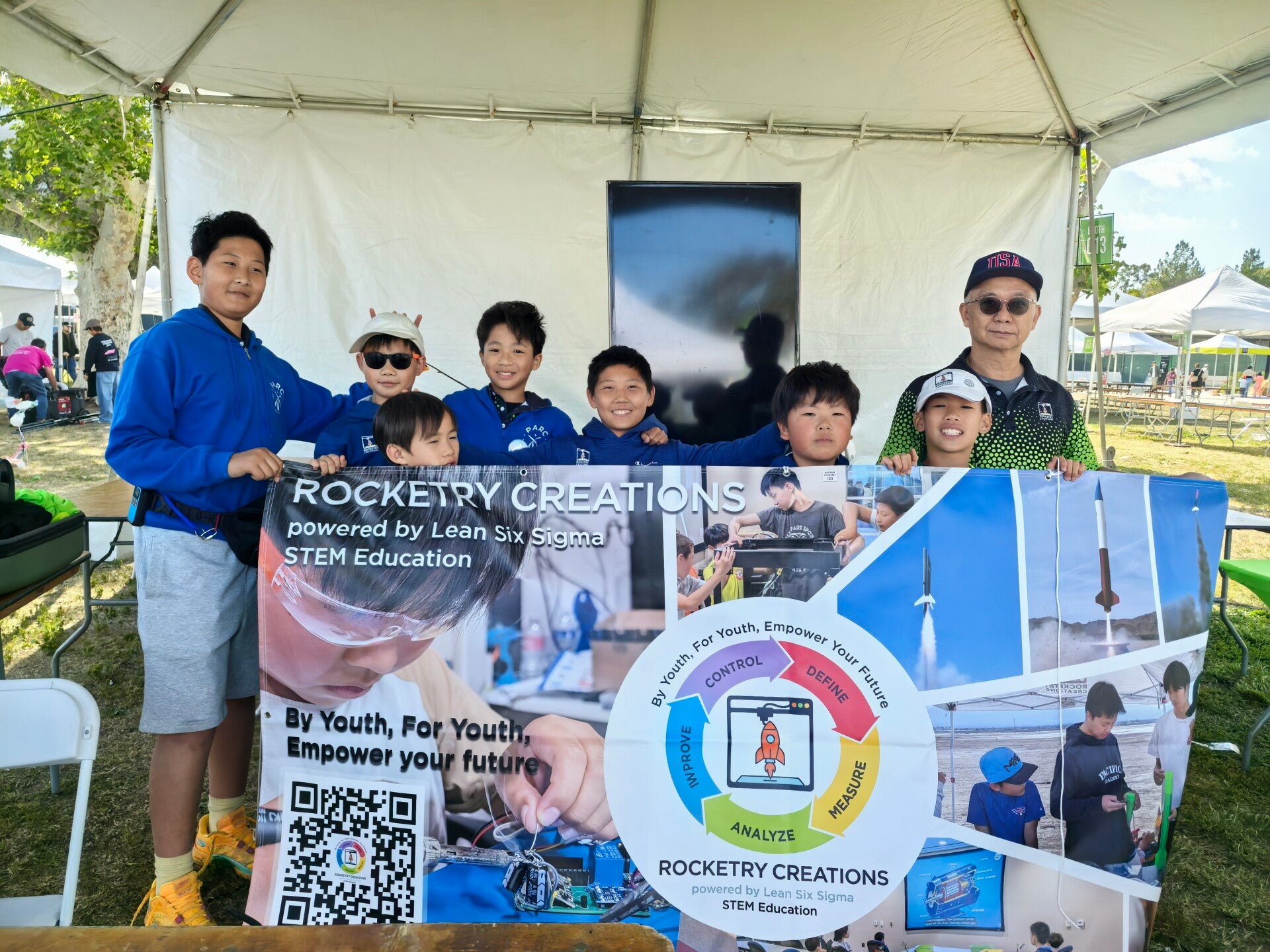
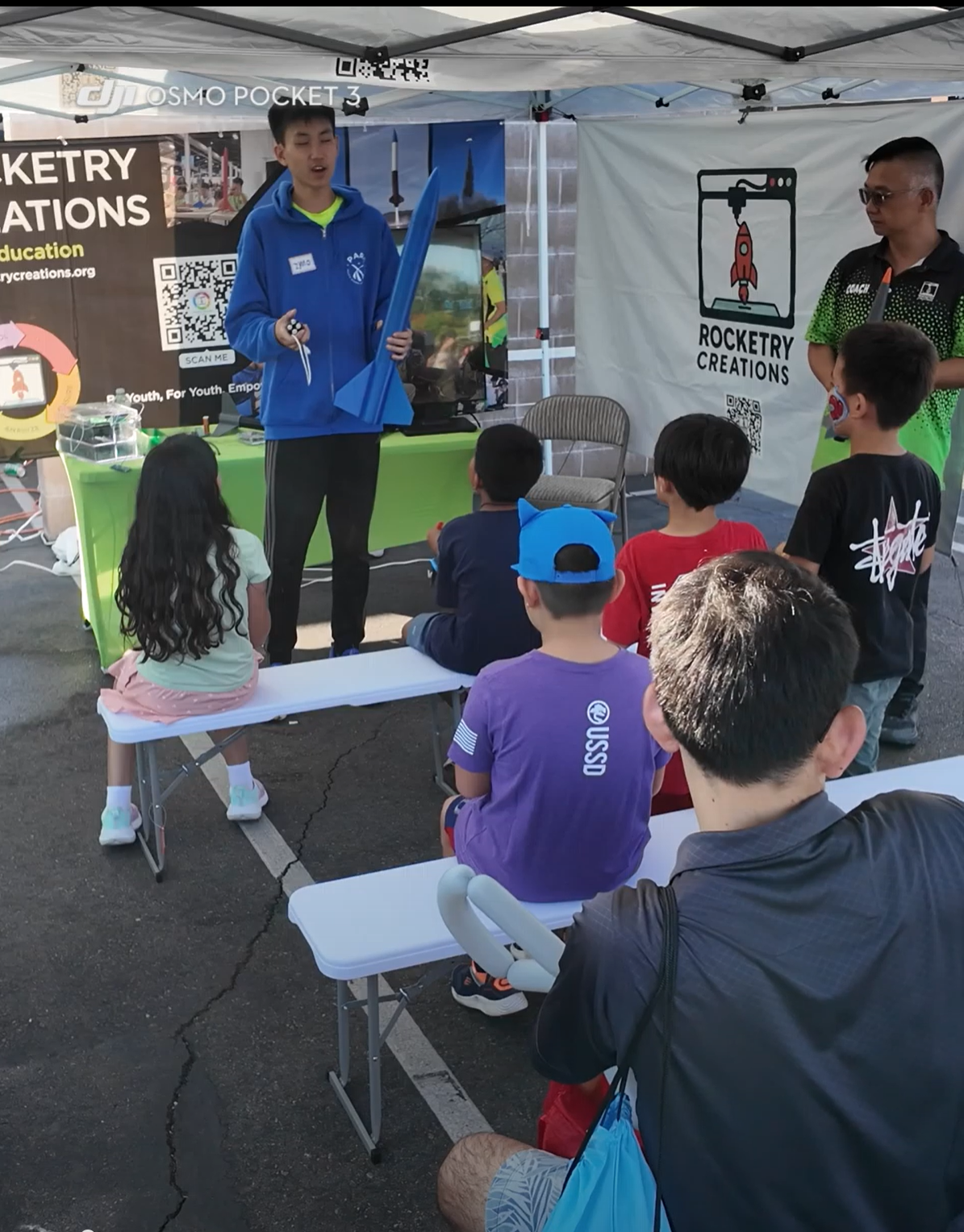
Success Case 3 - Our kids participated in the Los Angeles Maker Faire, where students presented their projects and interacted with the public.
We were truly impressed by the transformation in the children. At the beginning, they were a bit nervous and didn’t speak much, but after a full day of interacting with different people, they became noticeably more confident, and their explanations grew clearer and more fluent. By the end, Winston and Wilton were able to present their project in a structured and complete way, which was very impressive.
What stood out even more was how they began actively engaging with visitors—answering questions and adapting their explanations to different audiences. This kind of real-world communication growth is difficult to achieve in a traditional classroom.
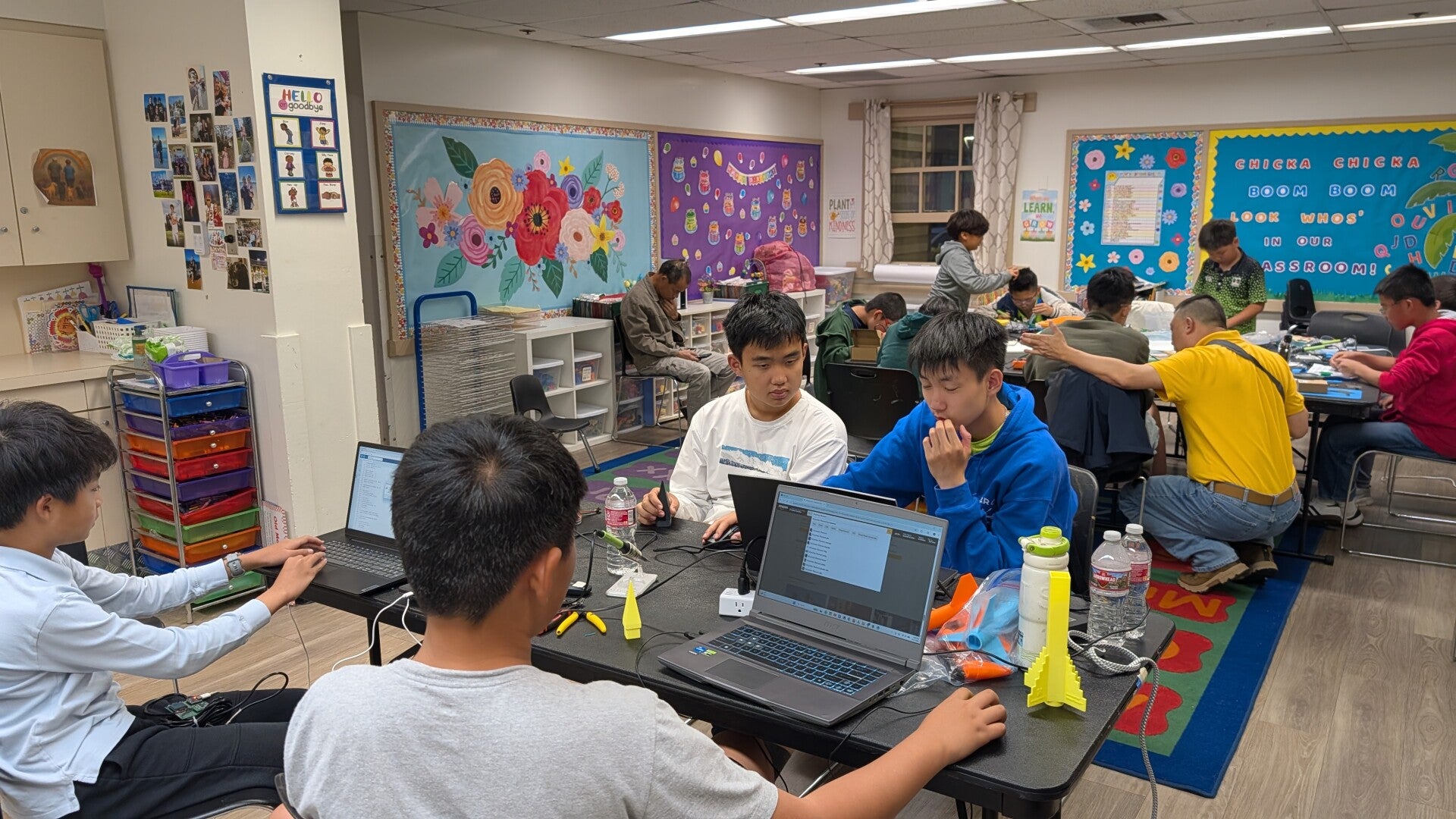
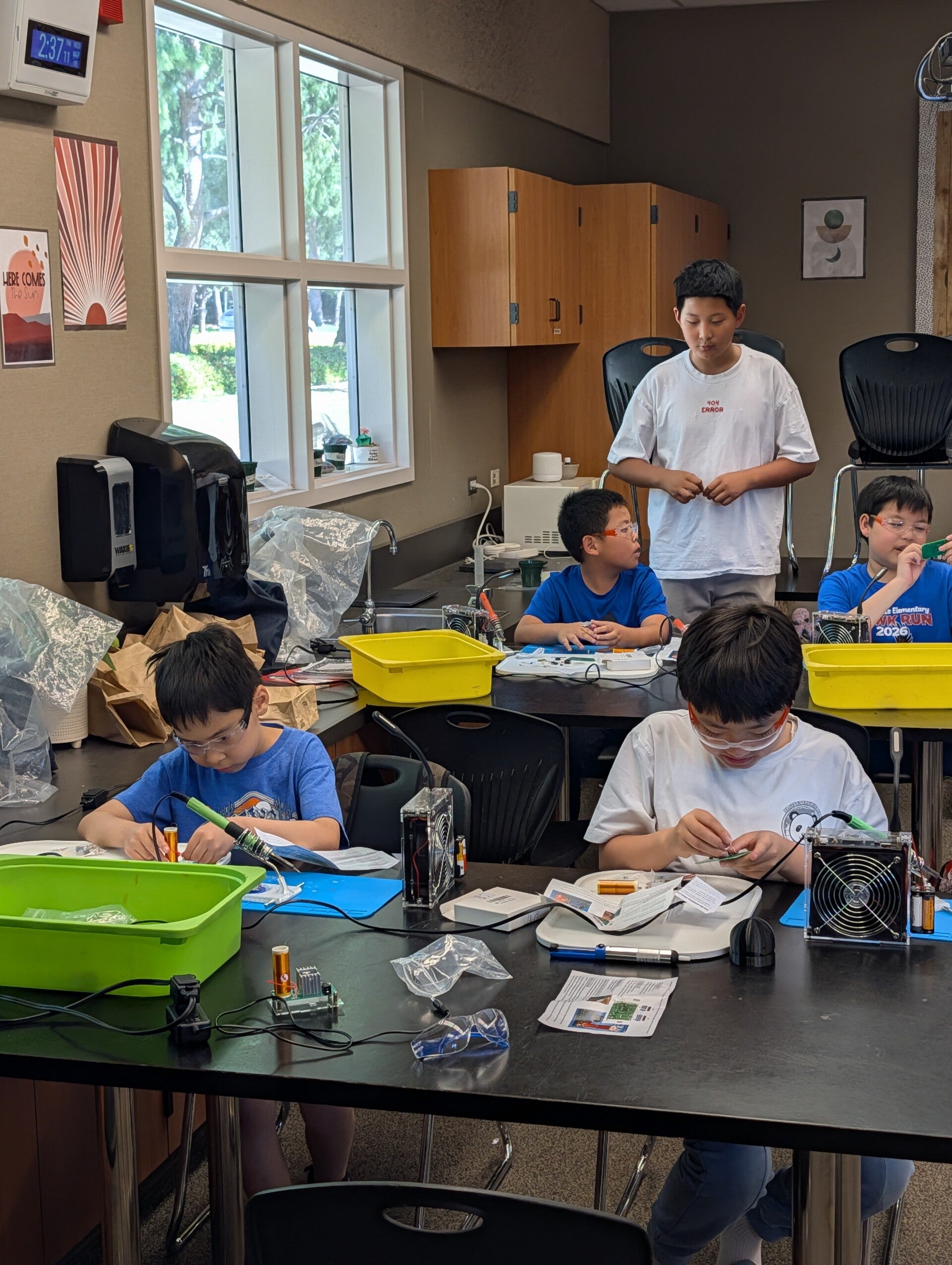
What makes Coach Aaron’s approach unique is how practical and real-world oriented it is. The students learn hands-on skills such as soldering circuit boards and giving project presentations—experiences that many people only encounter at the graduate level. They also use Fusion 360 to design 3D printing models, which is a professional tool widely used by engineers and product designers.
This is not just about building projects—it’s about gaining early exposure to real-world tools and skills.
We are very grateful for the teacher’s dedication and guidance, giving the students such a meaningful and impactful learning experience.
"This experience demonstrates that true excellence does not stem from rigid systems or forced achievements, but rather from creating an environment that empowers children to discover their strengths, embrace challenges, and forge their own unique paths. While our focus is on providing the necessary tools and support, the journey is ultimately theirs to lead."
“Rocketry Creations has helped me unleash my creativity and achieve new heights in learning. The experience has been truly inspiring and rewarding.
Leo Y. 12 yrs old
Contact us
Have a question or want to learn more about our services? Contact us using the form below.